


By | Arvind Jadhav
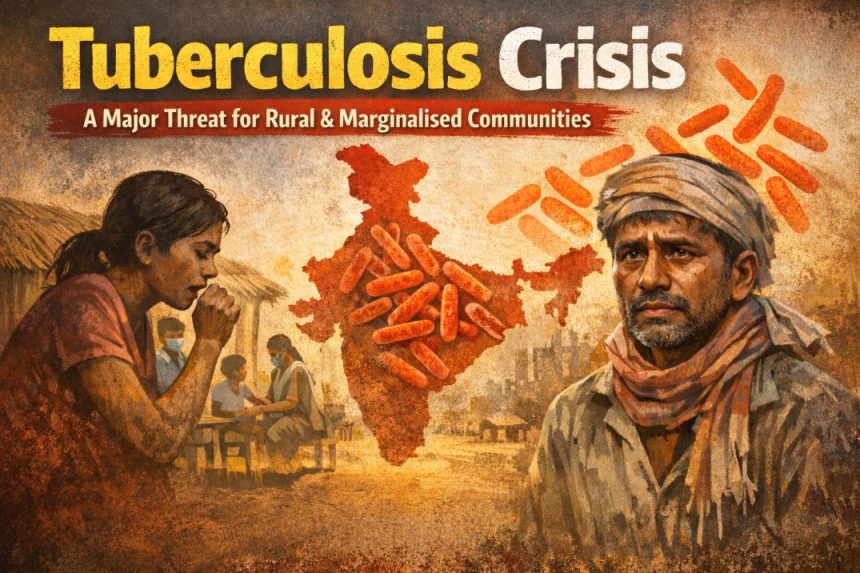
India continues to shoulder a disproportionate burden of tuberculosis, accounting for nearly 27% of global TB cases, according to a new report titled “India’s Progress in Addressing the Challenges of Tuberculosis”. Despite years of targeted programmes, elimination efforts remain uneven and slow.
Communities Most Affected
The report highlights that rural, tribal and migrant populations face the most severe challenges in accessing TB prevention, diagnosis and treatment. Structural inequalities, poor healthcare access, and economic vulnerability leave these communities at greater risk of delayed diagnosis and treatment interruptions.
Key Barriers to TB Elimination
The report identifies multiple obstacles hampering India’s TB control efforts, including socio-economic disparities, widespread malnutrition, co-morbidities, and lingering disruptions caused by the COVID-19 pandemic. These factors have weakened early detection and continuity of care, particularly in underserved regions.
Role of Socio-Economic Factors
Malnutrition and poverty remain central drivers of TB transmission and mortality. Migrant workers, in particular, face treatment discontinuation due to frequent relocation, lack of documentation, and limited access to public health facilities.
Call for Targeted Interventions
Published by stakeholders including the Women’s Collective Forum, the report calls for more community-focused, equity-driven interventions. It stresses the need for strengthened public health systems, nutritional support, and inclusive policies tailored to vulnerable populations to achieve TB elimination goals.