


By | Arvind Jadhav
Maharashtra Budget Session Opens With Tribute to Ajit Pawar
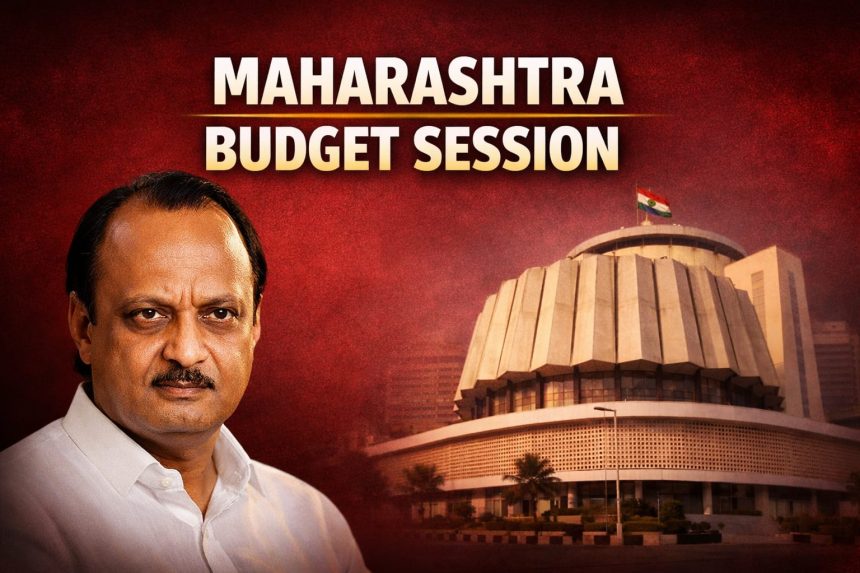
Mumbai : The Budget Session of the Maharashtra Legislative Assembly began on a respectful and emotional note as legislators across party lines acknowledged the contribution of Deputy Chief Minister Ajit Pawar, widely known as Ajit Dada, to the political and administrative framework of the state. The opening proceedings reflected a rare moment of consensus, with both ruling and opposition members recognising his long public service career and experience in state governance.
Leaders Recall Administrative Experience and Political Journey
During the opening tributes, several senior members spoke about Ajit Pawar’s political journey spanning multiple decades in Maharashtra politics. They highlighted his tenure in crucial departments such as finance, irrigation, power, and planning, emphasising that many major infrastructure and development decisions in the state were taken during his time in office. Speakers noted that Pawar’s administrative style, known for quick decision-making and strict monitoring of projects, helped accelerate several public works initiatives across districts.
Members also recalled his role in strengthening cooperative institutions, irrigation schemes, and fiscal planning mechanisms that continue to influence the state’s economic policy. The tribute segment set a conciliatory tone before the Assembly moved to its legislative and financial agenda.
Budget Expected to Focus on Growth and Welfare Balance
Following the tribute, attention shifted to the core purpose of the session — the presentation and discussion of the state budget. Officials indicated that the government aims to present a budget that balances development spending with fiscal responsibility. Priority sectors expected to receive major allocations include transport infrastructure, industrial corridors, rural development, irrigation expansion, and urban housing projects.
Sources suggest that the government may also emphasise employment generation, skill development programmes, and support measures for small industries to sustain economic momentum. With rising infrastructure commitments and social welfare demands, the budget is likely to attempt a careful balance between capital expenditure and welfare schemes.
Opposition Prepares for Policy Debate
Despite the respectful start, political observers anticipate a heated session once budget discussions begin in detail. Opposition parties are expected to question the government on farmer compensation delays, implementation gaps in welfare programmes, urban infrastructure bottlenecks, and fiscal deficit levels. Issues such as crop insurance settlements, rising urban congestion, and the pace of industrial investments are also likely to feature prominently in debates.
The ruling coalition, on the other hand, is expected to present the budget as development-focused and financially disciplined, projecting it as a roadmap for long-term economic growth and infrastructure expansion.
Session Seen as Politically Significant
With key financial announcements, policy decisions, and legislative proposals expected over the coming weeks, the Budget Session is being viewed as politically significant. Analysts believe the government will use the session to underline its governance priorities and development achievements, while the opposition may attempt to shape public discourse by highlighting economic challenges and administrative shortcomings.
As proceedings continue, the session is set to play a decisive role in shaping Maharashtra’s policy direction, fiscal planning, and political narrative for the year ahead.