Global Energy Market Faces Pressure Amid Iran War
By | Arvind Jadhav
The ongoing conflict involving Iran and its growing tensions with United States and Israel has begun to shake global energy markets. As the war threatens vital oil shipping routes in the Middle East, concerns over fuel shortages and rising crude prices have intensified across the world. Countries heavily dependent on oil imports are now looking for alternative sources to secure their energy needs and stabilise domestic fuel supplies.
India Receives Temporary Waiver to Purchase Russian Oil
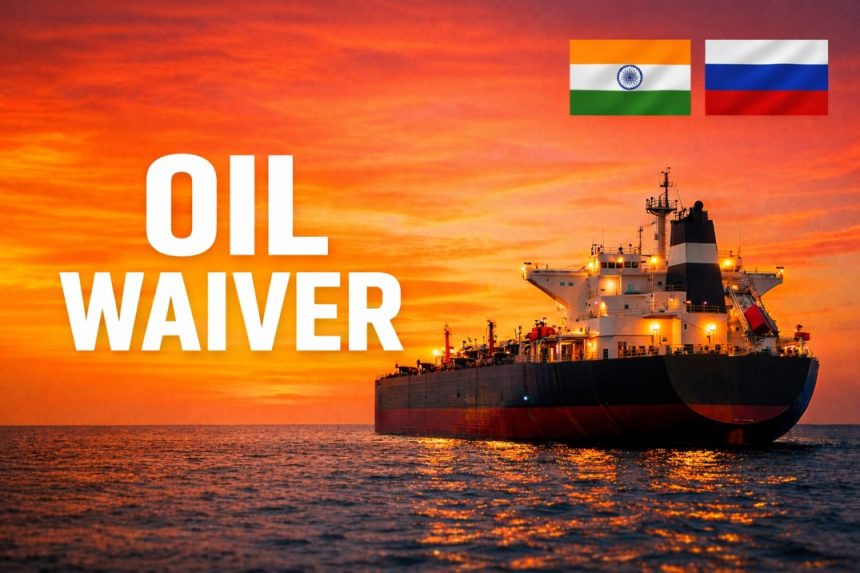
In this backdrop, India has received a temporary waiver from the United States allowing Indian refiners to continue purchasing crude oil from Russia. The waiver is reported to be valid for a limited period and mainly applies to shipments that are already in transit or waiting at sea. The decision is aimed at preventing sudden disruptions in the global oil supply chain while tensions in West Asia continue to escalate.
War Disrupts Oil Supply Routes in the Middle East
The ongoing military confrontation has created uncertainty around major maritime routes in the Persian Gulf and nearby sea lanes. These routes are critical for transporting oil from the Middle East to Asia and other parts of the world. Any disruption in these shipping corridors could significantly affect global energy markets. As a result, many countries, including India, have begun securing oil supplies from alternative producers to avoid shortages.
Russian Oil Becomes Key Alternative for Indian Refineries
Russian crude has become an important alternative for Indian refiners since global supply chains started facing disruptions. Several Indian public and private refineries have reportedly increased their procurement of Russian oil to ensure steady fuel production. This move helps maintain stable availability of petrol, diesel and aviation fuel in the domestic market while international prices remain volatile due to the ongoing conflict.
Energy Security Becomes India’s Top Priority
India imports a large portion of its crude oil requirements from overseas markets, making energy security a critical priority during global crises. With instability spreading across West Asia, policymakers and oil companies are focusing on building sufficient reserves and diversifying supply sources. The temporary waiver allows Indian refiners to maintain operational stability and avoid sudden fuel shortages in the country.
Global Oil Prices Remain Uncertain
The Iran war has already triggered fluctuations in international crude oil prices. Energy analysts warn that if the conflict expands or affects more oil-producing regions, prices could rise sharply in the coming weeks. Governments around the world are closely monitoring the situation while preparing contingency measures to safeguard domestic fuel supply.
Strategic Balance Between Diplomacy and Energy Needs
India has maintained a careful diplomatic balance while securing its energy interests. The temporary waiver highlights the importance of maintaining stable fuel flows to large energy-consuming nations during times of geopolitical crisis. As the situation in the Middle East continues to evolve, global markets are likely to remain sensitive to developments in the conflict.