By | PR Network
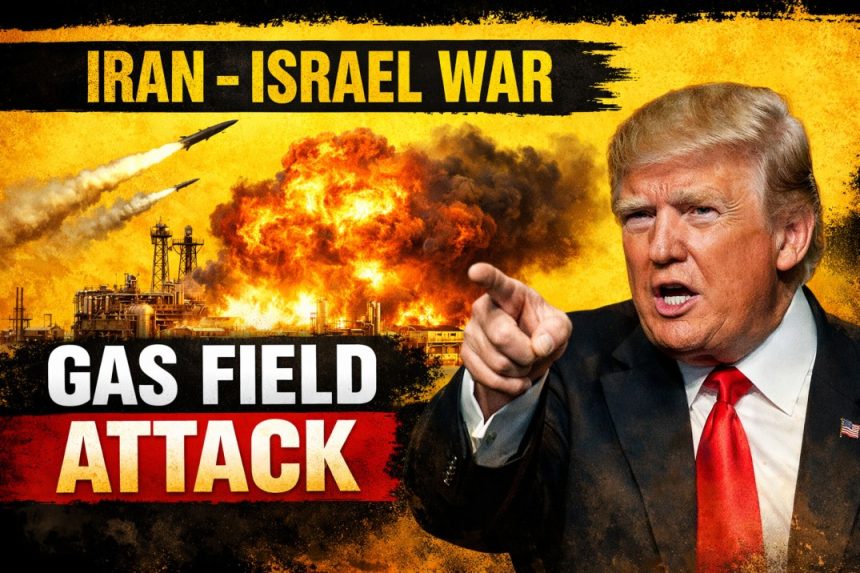
Tensions between Iran and Israel have sharply escalated after a major strike on the South Pars gas field, one of the world’s largest natural gas reserves. The attack is being widely attributed to Israeli forces, marking a dangerous shift toward targeting critical energy infrastructure in the ongoing conflict.
Following the strike, Iran responded with strong warnings and reportedly launched retaliatory missile actions targeting strategic locations in the Gulf region. This escalation has raised serious concerns about a wider regional conflict, especially involving nearby countries like Qatar, which shares the gas field.
Meanwhile, US President Donald Trump stated that the United States had no prior knowledge of the attack and warned Iran against further escalation. He indicated that any aggressive move targeting Gulf nations could trigger a massive response, including potential strikes on Iran’s energy infrastructure.
The situation has also increased risks around the Strait of Hormuz, a crucial global oil transit route. Any disruption here could directly impact international oil prices and global trade, making the crisis a major concern for economies worldwide.
Security analysts believe that targeting energy assets marks a new and more dangerous phase of the Iran–Israel conflict, with both sides signaling readiness for further escalation while also leaving room for diplomatic de-escalation.
South Pars gas field targeted in major strike
Iran issues strong retaliation warnings
US distances itself; Trump issues warning
Strait of Hormuz under global watch
Risk of global oil price surge