By | Arvind Jadhav
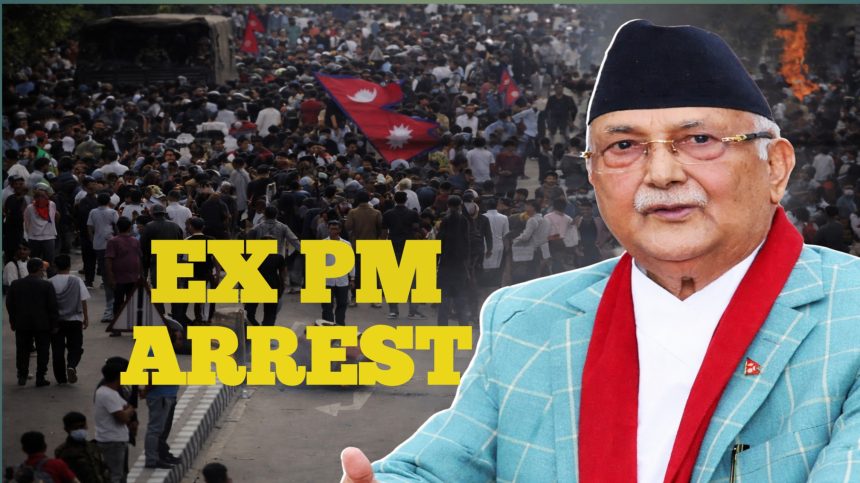
Nepal has witnessed a major political development as former Prime Minister KP Sharma Oli was arrested on March 28, 2026, in connection with the deadly crackdown on youth-led protests last year. The arrest was carried out by Nepal Police from his residence, marking a rare move against a former head of government.
The case relates to the violent suppression of so-called “Gen Z protests” that erupted across Nepal in September 2025. These protests were largely driven by young citizens demanding transparency, anti-corruption reforms, and better governance. The demonstrations turned violent after clashes with security forces.
According to investigation reports, nearly 76 people lost their lives while hundreds were injured during the crackdown. Authorities have alleged that Oli, who was in power at the time, failed to take timely action to control the situation and prevent excessive use of force by security agencies.
A government-appointed probe panel had recently recommended legal action against Oli, holding him accountable for negligence and possible criminal liability. Based on these findings, law enforcement agencies proceeded with his arrest, along with other officials linked to the incident.
The arrest of a former Prime Minister has intensified political tensions in Nepal. Supporters of Oli have called the move politically motivated, while opposition leaders and civil rights groups have welcomed it as a step toward justice and accountability.
This development is expected to have significant political implications in Nepal, where instability and power struggles have been frequent. The case may set a precedent for holding top leaders accountable for decisions taken during times of crisis.