By | Arvind Jadhav
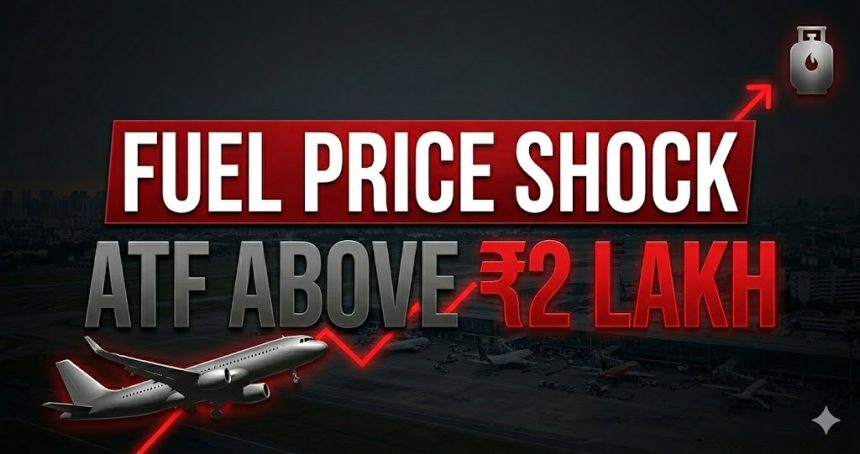
India is once again facing pressure on fuel prices as aviation turbine fuel (ATF) and commercial LPG rates have seen a sharp rise. In a historic development, jet fuel prices have crossed the ₹2 lakh per kilolitre level for the first time, highlighting the intensity of the ongoing global energy situation.
The sudden jump in ATF prices is largely linked to rising crude oil costs in the international market. Ongoing geopolitical tensions and supply uncertainties have pushed fuel rates higher, creating challenges for airlines. Since fuel forms a major portion of airline expenses, this increase is likely to reflect in ticket prices soon.
At the same time, commercial LPG cylinders have become more expensive, with prices increased by ₹195.50 per 19-kg cylinder from April 1. This hike is expected to impact businesses such as hotels, restaurants, and catering services that depend heavily on commercial gas for daily operations.
On the domestic front, there is no immediate change in household LPG cylinder prices. The last revision for domestic users was earlier in March, when prices were increased by ₹60 for a 14.2 kg cylinder. For now, household consumers have been spared from the latest hike.
Energy experts point out that India’s reliance on imports for a large share of its fuel needs makes it vulnerable to global price fluctuations. Any disturbance in major oil-producing regions quickly affects domestic pricing, leading to such sudden increases.
Officials have indicated that some adjustments in jet fuel pricing may be implemented in phases to ease the burden on domestic airlines. However, the overall cost pressure on the aviation sector is expected to remain high in the near future.
The combined rise in jet fuel and commercial LPG prices could have a wider economic impact. Increased transportation and operational costs may lead to higher prices in sectors like travel, food, and services, indirectly affecting consumers across the country.
With global uncertainties continuing to influence fuel markets, India is experiencing a fresh wave of price hikes. While domestic consumers have received temporary relief, businesses and the aviation sector are likely to face growing cost pressures in the coming weeks.