


By | PR Network
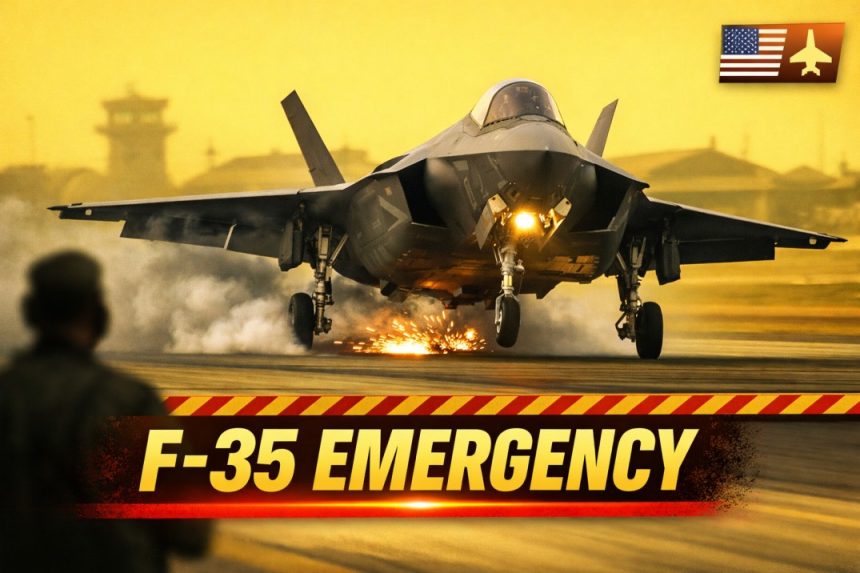
The emergency landing of the advanced F-35 Lightning II has sparked global concern, with early reports pointing to possible combat-related damage during an active mission. The fifth-generation stealth aircraft, known for its superior technology and radar-evading capabilities, was forced to land under urgent conditions at a military base in the Middle East.
Initial reports suggest that the aircraft may have encountered hostile fire while operating in a high-tension zone. Iran’s military force, the Islamic Revolutionary Guard Corps, has claimed that its air defense systems targeted the jet. However, there is no official confirmation yet from U.S. authorities, and the exact cause of the emergency landing remains under investigation.
Defense experts have highlighted that even highly advanced jets like the F-35 are not completely immune to modern air defense technologies. The incident has renewed debate over the evolving nature of aerial warfare, where stealth capabilities are increasingly being challenged by sophisticated missile and radar systems.
The pilot reportedly managed to land the aircraft safely, avoiding a major disaster. Military officials are now focusing on technical analysis and mission review to determine whether the incident was caused by enemy engagement, mechanical failure, or a combination of both factors.
The F-35 program continues to play a crucial role in global defense strategy, especially for the United States and its allies. If the possibility of an Iranian strike is confirmed, this incident could mark a significant moment in modern warfare, raising serious questions about air superiority and defense preparedness in conflict zones.