


By | PR Desk
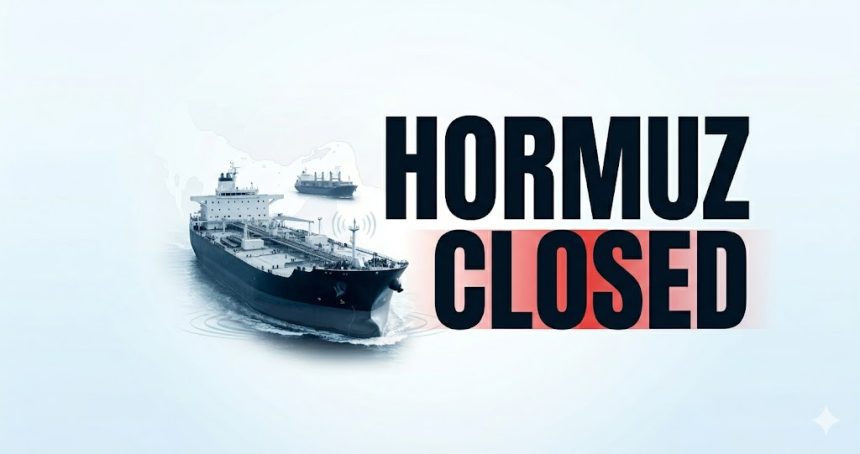
Iran has once again closed the strategically important Strait of Hormuz, citing the ongoing United States blockade of its ports. The move has significantly heightened global concerns, as the waterway is one of the most crucial routes for international oil transportation. Iranian authorities have stated that the closure will remain in place until restrictions on its maritime trade are lifted. This decision has immediately impacted global shipping movement and raised fears of a wider conflict.
The situation intensified after reports emerged that Iranian naval forces opened fire on a commercial oil tanker attempting to pass through the strait. Several vessels were reportedly forced to halt or change course due to rising security threats in the region. The incident has triggered alarm among international shipping companies and governments, especially those heavily dependent on oil imports. Concerns over the safety of crew members and cargo have further complicated the already volatile situation.
The Strait of Hormuz holds immense global significance, as a large portion of the world’s oil supply passes through this narrow passage every day. Any disruption in this route directly affects energy markets, leading to potential spikes in oil prices and supply shortages. Experts warn that prolonged closure could severely impact economies, particularly in Asia and Europe. The current situation has already started influencing market sentiments, with uncertainty driving concerns of inflation and economic instability.
The latest development follows heightened tensions between Iran and the United States after Washington imposed strict naval restrictions targeting Iranian shipping. Iran has repeatedly warned that it would retaliate if its access to global trade routes is blocked. By closing the Strait of Hormuz, Tehran appears to be leveraging its geographical advantage to counter the pressure. The move reflects a broader strategy amid the ongoing geopolitical standoff in the region.
Global reactions have been swift, with several countries urging restraint and calling for the restoration of free navigation through the strait. Nations dependent on energy imports are closely monitoring the situation, while diplomatic efforts are reportedly underway to ease tensions. However, the fragile situation continues to remain uncertain, with risks of further escalation looming large. The coming days are expected to be critical in determining whether the crisis deepens or moves toward resolution.