


🔴 By | Arvind Jadhav
Assam is facing a severe flood crisis following continuous heavy rainfall and rising water levels in the Brahmaputra and its tributaries. More than five lakh people across multiple districts have been affected, with several fatalities reported. Large areas remain submerged, disrupting normal life and damaging homes, roads, and agricultural land.
Low-lying regions have been the worst hit, with entire villages underwater and connectivity cut off in several districts. Thousands of residents have been forced to leave their homes and shift to relief camps set up by the state administration. However, overcrowding and limited access to clean water and sanitation continue to pose challenges.
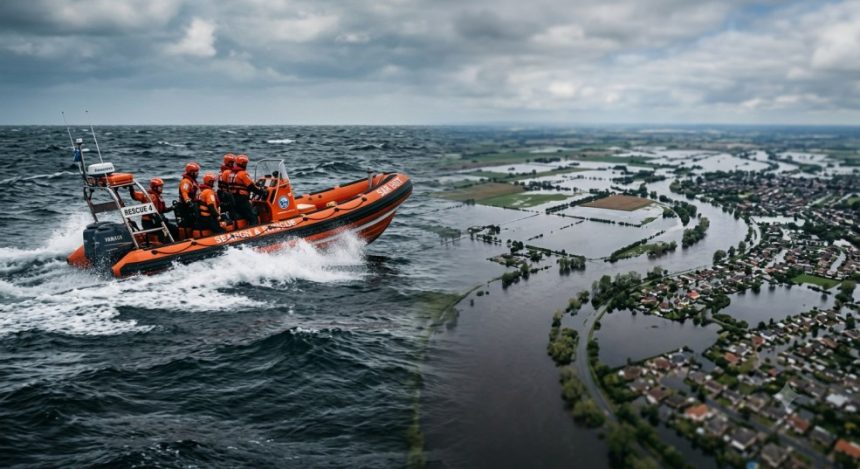
The Assam government, along with central agencies, has launched large-scale rescue operations. Teams from the NDRF and SDRF have been deployed, using boats and helicopters to evacuate stranded people, especially from remote and severely affected areas. The Indian Army and Air Force are also assisting in critical rescue missions.
Relief measures have been intensified, with the government setting up camps and distribution centers to provide food, drinking water, medicines, and temporary shelter. Medical teams are actively monitoring health conditions in camps to prevent outbreaks of waterborne diseases. Authorities have also issued helplines and advisories for affected citizens.
The Central Government is closely monitoring the situation and has extended financial and logistical support under disaster relief mechanisms. Efforts are underway to restore essential services such as electricity, communication, and road connectivity in affected areas. Compensation processes for loss of life, property, and livestock are also being initiated.
The floods have caused significant damage to agriculture, impacting crops and livelihoods across rural Assam. With thousands still displaced, rehabilitation and rebuilding efforts are expected to take time.
Experts continue to highlight that Assam’s recurring floods are driven by heavy monsoon rainfall, river overflow, and geographical vulnerability, further worsened by environmental factors. The current crisis has renewed calls for long-term flood management solutions and stronger disaster preparedness.
As rescue and relief operations continue, the immediate focus remains on saving lives and supporting affected communities while preparing for large-scale rehabilitation in the coming weeks.