

🔴 By | Arvind Jadhav
🟡 What Triggered the Controversy
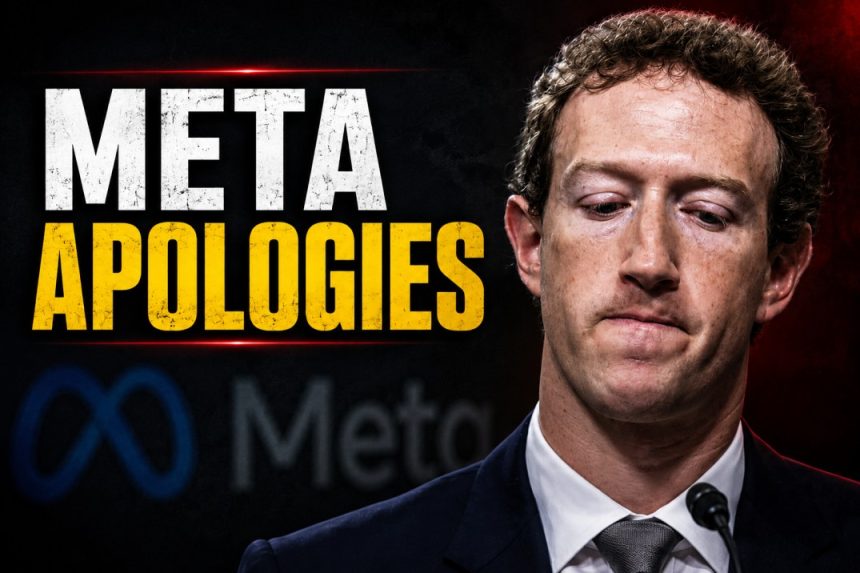
In a significant and politically sensitive development, global tech giant Meta has issued an apology to the Government of India after a Facebook post featuring Prime Minister Narendra Modi was briefly restricted due to what the company described as an “operational error.” The incident quickly gained traction, sparking widespread debate and drawing sharp reactions from political circles as well as policymakers.
🟡 Government’s Strong Stand
The Indian government responded firmly to the incident, summoning Meta representatives to seek an explanation. The matter escalated further when a Parliamentary panel reportedly warned Meta CEO Mark Zuckerberg to issue an unconditional apology within a stipulated timeframe, failing which the company could face serious consequences. These include potential reconsideration of its “safe harbour” protections, which shield digital platforms from liability over user-generated content under Indian law.
🟡 Meta’s Official Response
Meta acknowledged the mistake and expressed regret over the temporary restriction of the Prime Minister’s post. The company clarified that the issue stemmed from a technical or operational lapse rather than any deliberate action. It also assured authorities that internal systems are being reviewed and strengthened to prevent such incidents in the future, emphasizing its commitment to neutrality and platform integrity.
🟡 Larger Concerns Around Digital Platforms
The controversy has once again brought into focus broader concerns regarding the functioning of global social media platforms in India. Issues such as content moderation transparency, handling of politically sensitive material, deepfake risks, and delays in addressing flagged content have been under scrutiny. The Indian government has already been pushing for stricter compliance, including faster takedown mechanisms and greater accountability from tech companies.
🟡 Political and Public Reactions
The incident has triggered a wider political debate, with questions being raised about algorithmic bias, foreign influence on domestic discourse, and the role of big tech in shaping public opinion. It has also intensified calls for tighter digital regulations, especially at a time when online content plays a crucial role in political communication and public engagement.
🟡 Escalation or Resolution?
With tensions between regulatory authorities and global tech platforms continuing to rise, the Meta apology row could have lasting implications. It signals a more assertive approach by India towards digital governance and may pave the way for stricter enforcement of existing rules, along with possible new frameworks aimed at ensuring accountability and transparency in the digital ecosystem.