


🔴 By | Arvind Jadhav
In a dramatic bid to retain political influence, Benjamin Netanyahu offers to step aside initially and share power with rival Gadi Eisenkot as Israel faces a government formation deadlock.
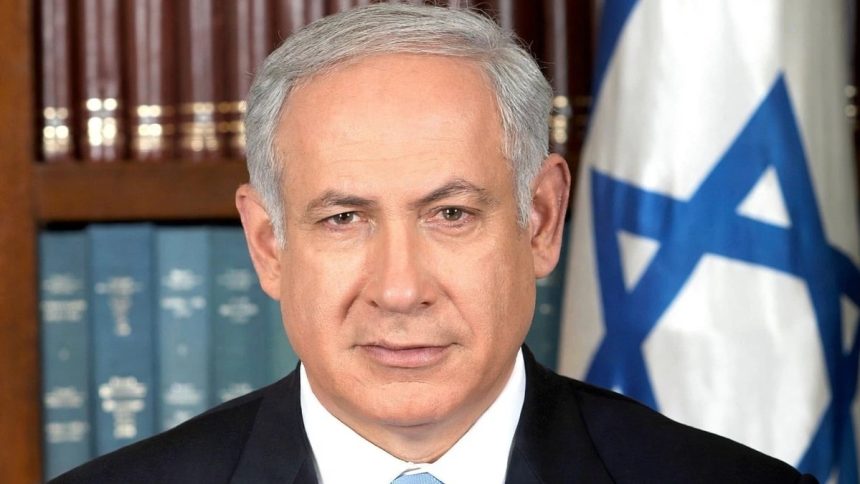
Israeli caretaker Prime Minister Benjamin Netanyahu has made a significant political concession by offering his main rival, Gadi Eisenkot, the opportunity to become Prime Minister first under a proposed rotating leadership arrangement. The unexpected offer comes amid growing uncertainty over Israel’s next government following the inconclusive parliamentary elections held on October 27, 2026.
Under Netanyahu’s proposal, Eisenkot would initially take charge as Prime Minister, while Netanyahu would serve as Alternate Prime Minister. The arrangement would form part of a proposed national unity government involving their respective political parties. Netanyahu said he was prepared to put aside his claim to lead the government in view of what he described as serious threats facing Israel.
🟡 Election Results Leave Israel in Political Deadlock
The October 27 election failed to deliver a clear parliamentary majority to either major political bloc. Netanyahu’s Likud-led alliance secured 53 seats, while Eisenkot’s prospective political alliance held 48 seats in the 120-member Knesset.
A minimum of 61 seats is generally required to secure a parliamentary majority. The absence of a clear majority has triggered intense negotiations among political parties, with Eisenkot attempting to assemble an alternative coalition capable of ending Netanyahu’s tenure.
Israeli President Isaac Herzog subsequently assigned Eisenkot the responsibility of forming the next government after 67 lawmakers recommended him for the task. Eisenkot’s political challenge, however, remains complicated by differences among potential coalition partners.
🟡 Why Netanyahu Is Making This Offer
Netanyahu’s proposal is widely viewed as a strategic attempt to prevent an alternative coalition from removing him and his Likud party from government. By offering Eisenkot the first turn as Prime Minister, Netanyahu is attempting to bring his political rival into a broader national unity arrangement.
However, the proposal has triggered criticism from opposition leaders. Former Prime Minister Yair Lapid described the offer as another political manoeuvre, while other opposition figures questioned Netanyahu’s intentions and demanded that the election outcome be respected.
Meanwhile, Eisenkot has accused Likud of delaying coalition negotiations. He has insisted that any unity government must involve genuine agreements on policy, national priorities and the future direction of the country.
🟡 Crucial Meeting Ahead of December 6 Deadline
Following Netanyahu’s announcement, Eisenkot invited him for accelerated negotiations. Both leaders agreed to meet on November 29 at 10 am local time in Herzliya to discuss the possibility of forming a unity government.
Eisenkot has pledged to announce the formation of a new government by December 6, the official deadline given to him, without seeking the available 14-day extension.
The outcome of these negotiations could determine whether Israel gets a new coalition government, a power-sharing arrangement or faces another round of political uncertainty.
Netanyahu has been one of the most influential figures in Israeli politics for decades. His willingness to allow a political rival to occupy the Prime Minister’s office first represents a major shift in his political strategy. Whether this is a genuine attempt at national unity or a calculated move to preserve his influence will become clearer as coalition negotiations progress.