

Mumbai Sees Renewed Debate Over Naming of Iconic Borivali National Park
Arvind Jadhav | PR Network
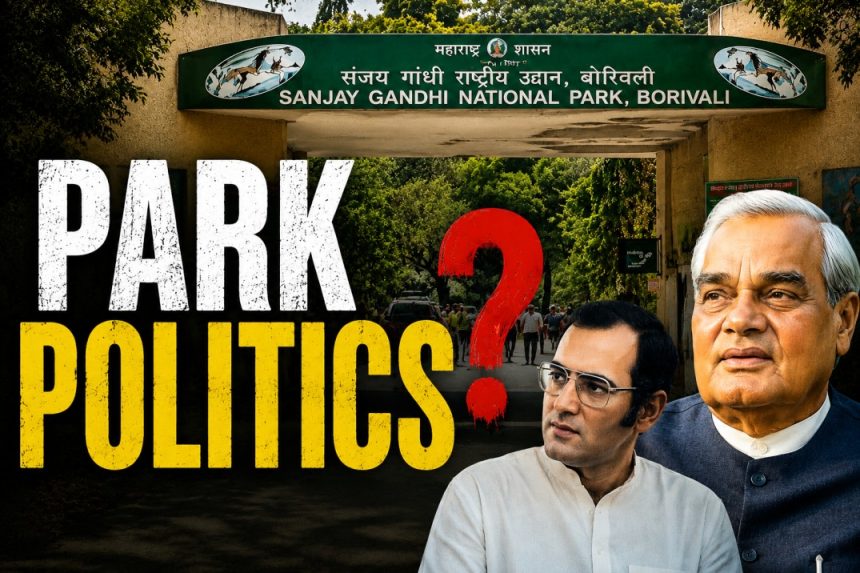
Mumbai – A proposal to rename Sanjay Gandhi National Park after former Prime Minister Atal Bihari Vajpayee has triggered a widespread political and public debate across Maharashtra. The Borivali-based national park, known as one of Asia’s most visited urban forests, has now become the center of a fresh naming controversy. As per recent media reports, the issue has gained momentum within administrative and political circles, drawing reactions from multiple sides. While such proposals are not new in Indian politics, the involvement of a high-profile ecological zone has made this case more sensitive. The development has once again highlighted how public landmarks often become focal points of symbolic political decisions. With no official approval yet, the discussion continues to intensify across platforms. The matter is now being closely watched at the state level.
Proposal Submitted to Government, Final Decision Yet to Be Taken
According to reports published in Mid-Day and Mumbai Live, a formal proposal has been submitted by senior forest department officials recommending that the park be renamed as “Atal Bihari Vajpayee National Park.” The proposal has reportedly been forwarded to the Maharashtra government for consideration, but no final decision has been announced so far. Sources indicate that the proposal is currently at a preliminary stage and will require administrative approvals before any implementation. Alongside the renaming, there are also discussions about potential developmental plans in the surrounding region, which have further added to the complexity of the issue. Officials are expected to review the proposal in detail, considering legal, environmental, and political aspects. The timeline for any decision remains unclear at this stage. Until then, the proposal continues to remain under scrutiny.
Political Reactions Intensify as Leaders Take Diverging Stands
The proposal has quickly turned into a political flashpoint, with leaders expressing differing opinions on the matter. Supporters argue that naming a major national landmark after Atal Bihari Vajpayee would serve as a tribute to his contribution to the country and his stature as a respected statesman. However, critics have opposed the move, stating that the existing name linked to Sanjay Gandhi carries historical continuity and should not be altered. The debate has also brought attention to the broader trend of renaming public places based on political preferences. As discussions intensify, the issue is gradually taking a larger political shape within Maharashtra. Statements from both ruling and opposition groups are expected to further shape the narrative in the coming days. The matter has clearly moved beyond administrative discussion into political discourse.
Environmental Concerns Raised Over Impact on Protected Forest Zone
Environmentalists and conservation experts have raised serious concerns regarding the developments linked to the proposal, especially in relation to any construction or structural expansion plans. Sanjay Gandhi National Park is considered a critical ecological zone that supports rich biodiversity, including protected wildlife species such as leopards. Experts believe that any changes, whether symbolic or developmental, must be approached with extreme caution to avoid long-term ecological damage. Reports suggest that forest officials have also highlighted potential environmental risks in internal discussions. The park plays a crucial role as a green lung for Mumbai, making its preservation a priority. Activists have stressed that conservation efforts should not be overshadowed by naming debates. The issue has therefore added an environmental dimension to the ongoing controversy.
Public Opinion Divided as Debate Gains Momentum Online
Public sentiment surrounding the proposal remains sharply divided, with strong opinions emerging on both sides of the debate. While some citizens have welcomed the idea of honoring a former Prime Minister, others have questioned the need to rename an already well-established landmark. Social media platforms have become a key space for discussion, where users are actively sharing views on heritage, governance, and political priorities. Many believe that such decisions should involve wider public consultation before being finalized. The debate also reflects broader concerns about the frequent renaming of public infrastructure across the country. As discussions continue to gain traction, public pressure may play a role in influencing the final outcome. The issue has clearly resonated beyond political circles into general civic discourse. The coming days are likely to see even more reactions from various sections of society.
Government Review Process to Decide Final Outcome in Coming Days
As per current information, the proposal will now go through multiple levels of administrative and political review before any final decision is taken. The Maharashtra government is expected to examine all aspects, including legal feasibility, environmental impact, and public sentiment. Officials may also consult relevant departments before moving forward with any approval. At present, there is no official confirmation regarding acceptance or rejection of the proposal. The decision-making process could take time, given the sensitivity and scale of the issue. Observers believe that the government’s final stance will be crucial in determining the direction of the debate. Until then, the proposal remains under active consideration. All eyes are now on the state administration for the next development.
Naming vs Conservation Debate Puts SGNP Back in Spotlight
The controversy surrounding the proposed renaming of Sanjay Gandhi National Park has once again brought the focus back on the intersection of politics, heritage, and environmental responsibility. While honoring national leaders remains an important aspect of public policy, experts argue that ecological preservation should remain the top priority in cases involving protected areas. The debate has highlighted the challenges of balancing symbolic recognition with practical governance concerns. As the issue continues to evolve, it is expected to remain a key topic in Maharashtra’s political and civic landscape. The outcome will likely set a precedent for similar proposals in the future. For now, the discussion remains open-ended with multiple perspectives in play. The final decision will ultimately determine the direction of this ongoing debate.