By |PR Network
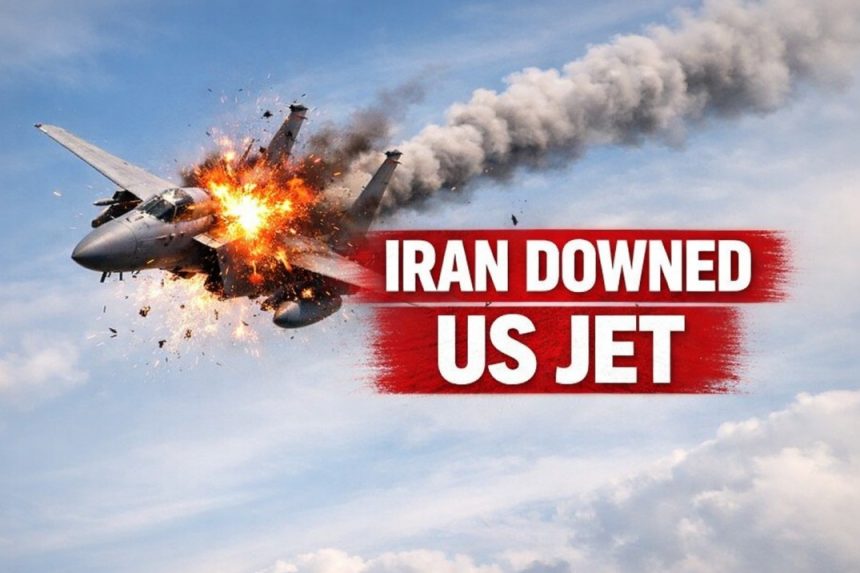
Tensions in the Middle East have sharply escalated after Iran reportedly downed another United States military aircraft, marking a serious turn in the ongoing conflict. The incident has raised fresh concerns over the intensity of air operations in the region and the growing risks faced by military personnel. Reports suggest that the aircraft was engaged during a high-alert mission, indicating an increasingly volatile security situation between the two nations.
According to available information, a US fighter jet was shot down during operations over or near Iranian-controlled territory. The aircraft reportedly had two crew members onboard at the time of the incident. While one crew member has been safely rescued by US forces, search operations are still ongoing for the second individual. Rescue teams are said to be working under extremely dangerous conditions amid continued threats in the area.
In a related development, another US military aircraft is also reported to have gone down around the same time in the broader region. Officials have indicated that the pilot in this case survived and was successfully recovered. The back-to-back nature of these incidents has heightened concerns within defense circles about the vulnerability of US aircraft operating in contested airspace.
Iranian authorities have claimed responsibility for targeting US military assets and have suggested further successes in their defense operations. However, not all such claims have been independently verified, and there remains a level of uncertainty around the full extent of the damage inflicted. The situation is further complicated by conflicting narratives emerging from both sides amid ongoing military and information warfare.
Meanwhile, US forces have intensified rescue and recovery missions, deploying specialized teams to locate the missing crew member. These operations are reportedly facing resistance and threats, making them highly complex and risky. The presence of active hostilities in the region continues to challenge both military coordination and humanitarian efforts on the ground.
This development marks a significant escalation in the conflict, as incidents involving the downing of advanced military aircraft are considered highly sensitive. The situation has drawn global attention, with concerns growing over its potential impact on regional stability and international relations. Despite rising tensions, there are indications that diplomatic efforts may continue alongside military actions.