


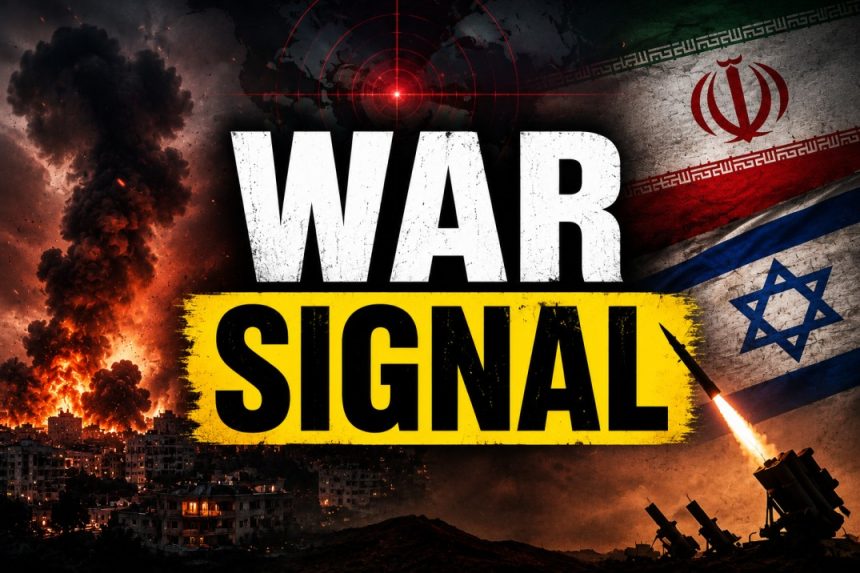
🟡 Middle East tensions threaten fragile diplomacy
By | PR Network
Fresh tensions in the Middle East are putting ongoing ceasefire negotiations between Iran and the United States under serious strain. Iranian officials have strongly warned that Israel’s expanding military operations in Lebanon and continued strikes in Gaza could derail already fragile diplomatic efforts. According to Tehran, any escalation in one region directly impacts the broader ceasefire framework being discussed.
🟡 Iran insists on ‘all-front’ ceasefire condition
Iran’s Foreign Minister stated that the ceasefire understanding with the US must apply universally across all conflict zones, including Lebanon. He emphasized that violating peace conditions in any area effectively breaks the entire agreement. Iranian leadership has made it clear that both the United States and Israel would be held accountable for any consequences arising from such violations.
🟡 Strong warning from Iranian leadership
Echoing similar concerns, Iran’s Parliament Speaker accused Israel of intensifying military aggression in Lebanon while also criticizing US actions, including pressure tactics on Iranian trade routes. He issued a stern warning, suggesting that continued escalation would come at a significant cost, signaling potential retaliation or policy shifts.
🟡 Israel intensifies operations in Lebanon
On the ground, Israel has reportedly deepened its military presence in southern Lebanon, marking one of its most significant advances in decades. The also issued evacuation warnings in parts of Beirut’s southern suburbs, raising fears of expanded strikes in urban areas. These developments have heightened regional anxiety, with civilians increasingly caught in the crossfire.
🟡 Trump claims progress in de-escalation talks
Amid rising tensions, US President claimed that diplomatic efforts were underway to prevent further escalation. He indicated that discussions with Israeli leadership and intermediaries linked to had led to temporary assurances of restraint. However, details of these communications remain unclear, especially given the sensitive nature of US relations with Hezbollah.
🟡 Iran halts communication amid Gaza strikes
Reports suggest that Iran has temporarily paused indirect communication channels with the US due to ongoing Israeli military actions in Gaza. Tehran is demanding an immediate halt to operations in both Gaza and Lebanon before resuming talks. The situation signals a potential breakdown in backchannel diplomacy that had been crucial in maintaining dialogue.
🟡 Threat of wider conflict looms
Adding to concerns, Iran’s has warned that continued escalation could open “new fronts” in the conflict. There are also indications that strategic routes like the Strait of Hormuz could become flashpoints if tensions spiral further. Iranian officials have described recent developments as crossing “red lines,” raising the risk of a broader regional war.
🟡 US strategy faces growing challenge
The United States has been attempting to separate the Lebanon conflict from broader tensions with Iran, but Tehran has rejected this approach. Iran insists that Lebanon must be included in any comprehensive agreement, complicating US diplomatic strategy. Meanwhile, Washington continues to pursue parallel discussions involving Israeli and Lebanese representatives.
🟡 Uncertain path ahead
While diplomatic efforts are still ongoing, the situation remains highly volatile. Conflicting narratives, military escalation, and stalled communication channels have created uncertainty around the future of the ceasefire talks. With multiple actors involved and stakes continuing to rise, the coming days could prove critical in determining whether diplomacy prevails or tensions escalate further.