

🔴By| Gitanjali Thorat
🟡 Hyderabad Case Brings Big Tech Under Legal Lens
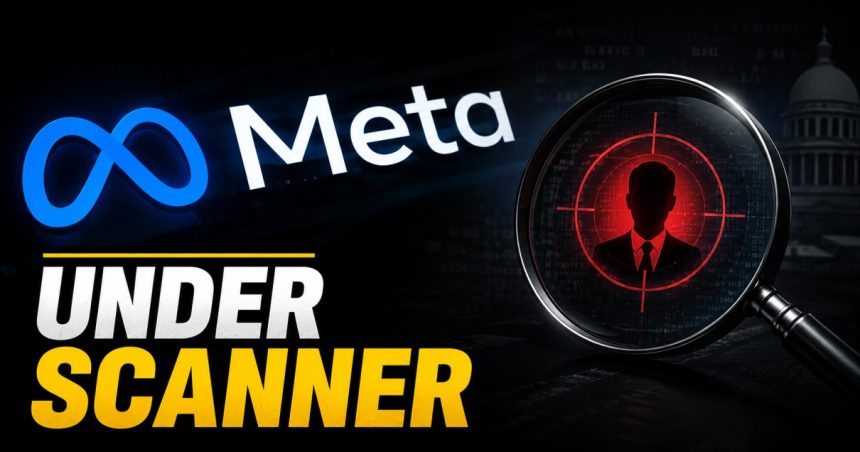
The Hyderabad police have registered a First Information Report (FIR) naming a senior executive of Meta india in connection with alleged objectionable social media posts targeting Prime Minister . The case also includes several unidentified and identified users who were allegedly involved in creating and sharing controversial content on platforms such as .
This move is being seen as a significant step in holding digital platforms accountable, especially as political content on social media continues to influence public discourse in India.
🟡 Nature of Allegations and Content in Question
According to police sources, the complaint was filed after multiple posts surfaced online that allegedly contained morphed images, misleading visuals, and abusive or defamatory remarks directed at the Prime Minister. Authorities have stated that such content, when widely circulated, has the potential to mislead the public, damage reputations, and even create unrest in sensitive situations.
The posts are believed to have gained traction during a period of heightened protest activity, where social media platforms witnessed a surge in politically charged narratives. Officials argue that the virality of such content increases its potential impact, making regulation and accountability crucial.
🟡 Why a Meta Executive Was Included
One of the most debated aspects of this case is the inclusion of Meta’s India head in the FIR. Legal experts point out that naming a senior corporate executive in such cases is relatively uncommon and raises complex legal questions. Typically, platform providers are treated as intermediaries, and liability depends on whether they had prior knowledge of the content and failed to act.
In this instance, the police appear to be examining whether there was any lapse in content moderation or delay in removing objectionable posts. However, there is currently no public evidence suggesting direct involvement of the executive in the creation or approval of the content. The matter is expected to undergo detailed legal scrutiny before any conclusions are drawn.
🟡 Protest Background and Digital Amplification
The controversial posts reportedly emerged during ongoing protests linked to national-level examination issues, where public sentiment was already intense. During such periods, social media often becomes a primary medium for expression, mobilisation, and information sharing.
Investigators believe that certain elements may have used these platforms to circulate provocative or misleading content, thereby amplifying tensions. The case highlights how quickly digital content can spread and influence narratives, especially when it involves high-profile political figures.
🟡 Wider Context: Government and Social Media Platforms
This incident adds to the broader and ongoing tension between the and global social media companies. In recent years, authorities have repeatedly raised concerns about how platforms handle political content, misinformation, and harmful posts.
The government has emphasized the need for stricter compliance with IT rules, greater transparency in algorithms, and faster action against content that could threaten public order. On the other hand, Meta has maintained that it follows globally consistent community standards and takes action against content that violates its policies, regardless of political affiliation.
🟡 Current Status of the Investigation
At present, the case remains under investigation, and no charges have been proven in a court of law. The inclusion of Meta’s India head in the FIR does not automatically establish guilt but indicates the direction of the inquiry being pursued by authorities.
Legal proceedings and further evidence will determine whether any individual or entity bears responsibility for the alleged content and its circulation.
🟡 A Test Case for Platform Accountability
The Hyderabad FIR is likely to become a key reference point in the evolving debate over social media regulation in India. It raises critical questions about the balance between freedom of expression and the responsibility of digital platforms to prevent misuse.
As the investigation progresses, the case could shape future policies and legal standards governing how global tech companies operate in one of the world’s largest digital markets.