

🔴 By| Sonal Kadam
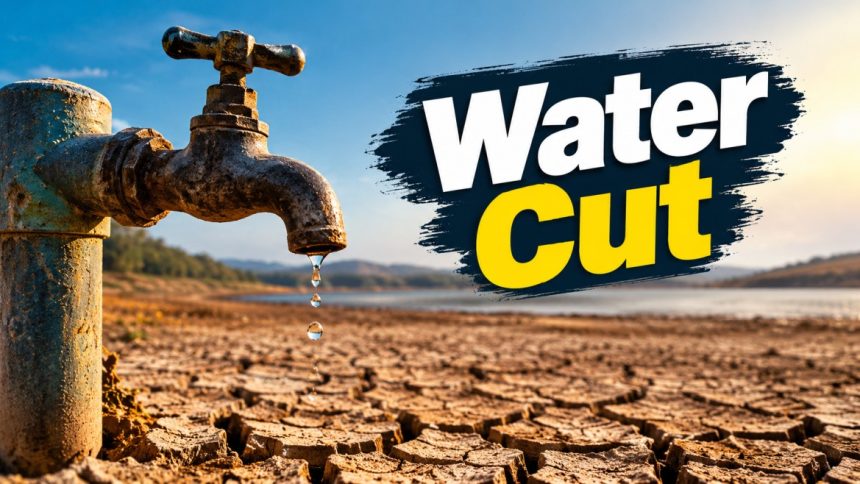
Mumbai: Maharashtra is set to implement a minimum 10% water cut from October 16, 2026, across urban and rural local bodies, as the state prepares for possible water stress caused by inadequate rainfall and concerns over the impact of El Niño.
The decision has been taken as part of a broader water-management strategy aimed at ensuring adequate drinking-water supplies through August 31, 2027. Authorities have been asked to plan reservoir utilisation carefully and give drinking water the highest priority.
🟡 Drinking Water To Get Top Priority
Under the new directives, water for drinking purposes, livestock and fodder will receive priority before water is released for irrigation. The government is also focusing on ensuring sufficient supplies for the coming summer months.
Local bodies have been directed to strengthen measures to prevent water leakage and improve the use of treated wastewater for non-potable purposes such as gardening, construction and cleaning.
🟡 Industries Asked To Increase Water Reuse
Industries have also been asked to step up water recycling and reuse, with a target of at least 30% reuse or recycling of water. Authorities are expected to take action against unauthorised withdrawal of water from reservoirs, rivers and canals.
The government’s move comes amid growing concerns over Maharashtra’s water availability after uneven rainfall and the possibility of difficult conditions during the coming water year.
🟡 Mumbai Water Supply Also Under Watch
Mumbai’s water situation is also being closely monitored, with the city depending on its seven major lakes for its water supply. The level of water stored in these reservoirs will remain a key factor in determining the intensity and duration of restrictions in the coming months.
The latest decision is likely to put greater emphasis on water conservation, reducing wastage and efficient management of available stocks across Maharashtra.
With the 10% cut scheduled to begin from October 16, residents, local authorities and industries are now expected to prepare for tighter water-use norms as the state seeks to safeguard drinking-water supplies for the months ahead.