


Arvind Jadhav| PR Network
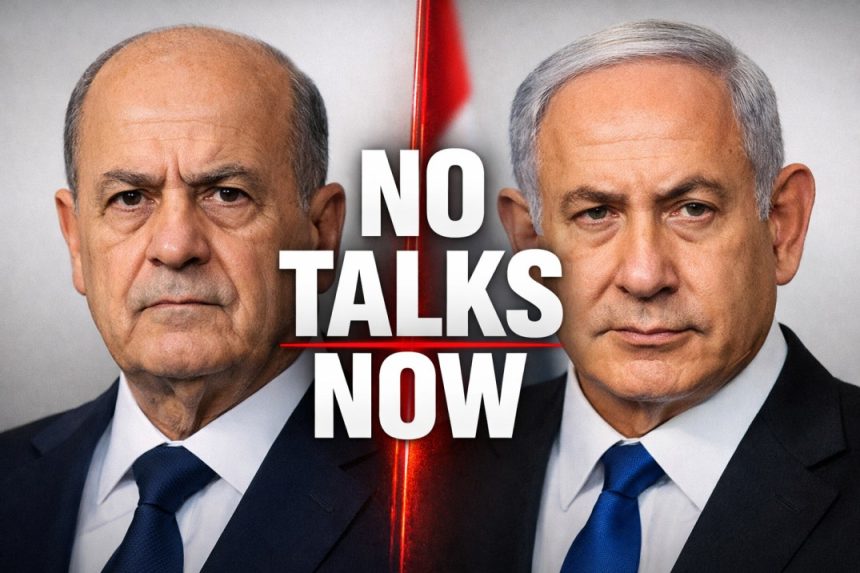
In a crucial development reflecting ongoing geopolitical strain in the Middle East, Joseph Aoun has firmly declined any direct talks with Benjamin Netanyahu, signaling that diplomatic normalization between Lebanon and Israel remains far from reality.
Speaking through official channels, President Aoun made it clear that Lebanon is “not ready to take that step,” reiterating the country’s long-standing position against entering direct negotiations with Israel. The statement comes amid rising international pressure to initiate dialogue following weeks of escalating conflict along the Lebanon-Israel border.
Ceasefire Brings Temporary Relief, But Not Resolution
The development follows a recently brokered 10-day ceasefire, reportedly facilitated by the United States and supported by regional and global stakeholders. The ceasefire was aimed at halting intense cross-border hostilities that have resulted in significant casualties and widespread destruction.
Although the ceasefire has provided temporary relief to civilians in southern Lebanon and northern Israel, ground realities remain tense. Sporadic violations and continued military readiness on both sides indicate that the situation is far from stable.
Israel Pushes for Talks, Focus on Hezbollah
Prime Minister Netanyahu has shown openness toward initiating dialogue with Lebanon, viewing it as a strategic opportunity to stabilize the northern front and address long-standing security concerns. A key issue for Israel remains the presence and military strength of Hezbollah, which it considers a major threat.
Israeli leadership has emphasized that any meaningful peace process must include discussions around disarmament or containment of Hezbollah, a demand that Lebanon has consistently resisted, citing internal political complexities and national sovereignty.
Lebanon’s Position: Sovereignty First
Lebanon’s refusal to engage in direct talks is rooted in decades of political, military, and ideological conflict. The country does not officially recognize Israel and maintains that any negotiations must be aligned with broader regional consensus and national interest.
President Aoun’s stance reflects internal pressures as well, as Lebanon continues to navigate economic challenges, political instability, and public sentiment that largely opposes normalization with Israel.
Fragile Peace and Global Concerns
Global powers, including the United Nations, have urged both nations to maintain restraint and work toward sustainable peace. However, experts warn that without direct communication channels, the risk of renewed escalation remains high.
The absence of dialogue, combined with deep-rooted mistrust and unresolved territorial disputes, continues to hinder long-term peace efforts in the region. Analysts believe that while the ceasefire is a positive step, it is only a temporary pause in a much larger and complex conflict.
As the ceasefire period progresses, the international community will closely monitor whether diplomatic backchannels can pave the way for future engagement. For now, Lebanon’s clear rejection of talks underscores a critical reality — that peace in the region will require far more than temporary agreements.