

By | PR Network
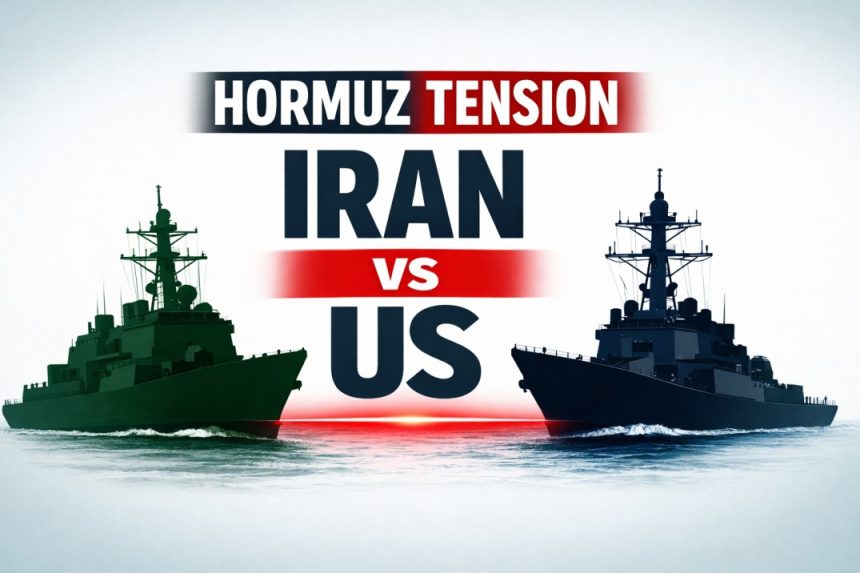
Tensions have sharply escalated in the Strait of Hormuz, one of the world’s most critical oil transit routes, after conflicting claims emerged from Iran and the United States over a recent naval encounter. Both sides have presented completely different versions of the same incident, raising concerns across global markets and diplomatic circles. The situation is being closely watched as even minor escalations in this region can impact international trade and energy supplies. The episode has once again highlighted how fragile stability remains in the Gulf waters.
According to Iran’s Islamic Revolutionary Guard Corps Navy, its forces issued a direct and forceful warning to a US warship that had allegedly entered the strait. Iranian state media broadcast footage claiming to show a tense radio exchange, where an IRGC officer ordered the American vessel to immediately change course and return toward the Indian Ocean. The warning reportedly included a clear threat of military action if instructions were ignored. Iran further claimed that its show of force compelled the US vessel to retreat from the area.
Iranian authorities also expanded their warning beyond a single ship, issuing alerts to all vessels operating in the nearby Gulf of Oman. Ships were instructed to maintain a distance of at least 10 miles from US warships to avoid potential conflict. The IRGC emphasized that it was prepared to open fire without additional notice if its directives were not followed. Multiple repeated warnings, including a “last warning” message, were reportedly transmitted to underline the seriousness of the situation. These developments signaled a significant escalation in maritime tensions.
In contrast, the United States Central Command has strongly rejected Iran’s version of events, stating that its naval operations proceeded without any interference. According to US officials, two destroyers — USS Frank E. Petersen Jr. and USS Michael Murphy — successfully navigated through the strait and entered the Arabian Gulf. The mission, they said, was part of ongoing efforts to ensure maritime security and conduct mine-clearing operations. The US maintains that all actions were carried out in accordance with international law and established naval protocols.
The incident comes amid already heightened tensions following stalled diplomatic talks between the two nations, which failed to produce any meaningful agreement. Adding to the pressure, former US President Donald Trump has indicated plans to impose stricter measures, including a possible blockade affecting ships moving through the strait. Such developments could further inflame the situation and draw in wider international involvement. Analysts warn that continued escalation may disrupt global oil flows and trigger economic ripple effects worldwide.