


By| Arvind Jadhav
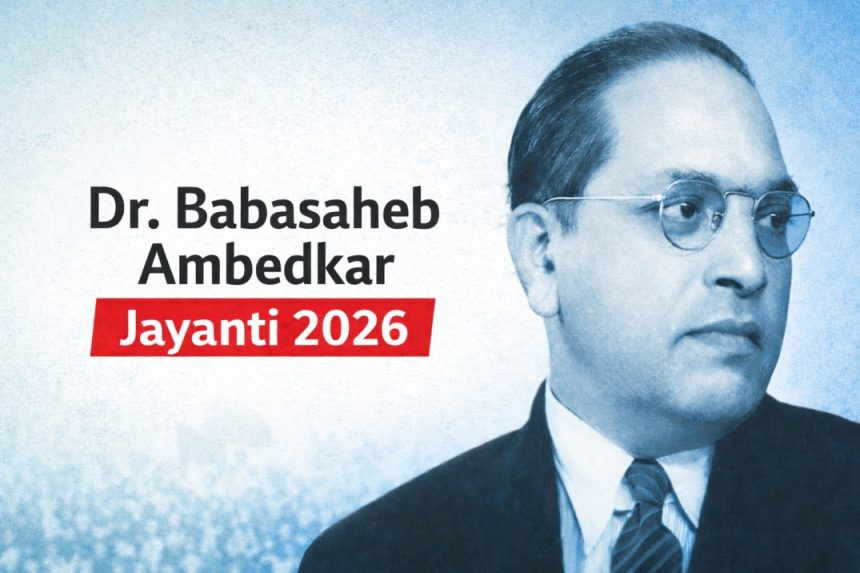
Dr. Babasaheb Ambedkar Jayanti 2026: Massive Nationwide Celebrations, Maharashtra Sees Unprecedented Public Participation; Global Tributes Highlight Enduring Legacy
The birth anniversary of B. R. Ambedkar is being celebrated across India today (April 14, 2026) with immense respect, enthusiasm, and large-scale public participation. Widely regarded as the architect of the Constitution and a pioneer of social justice, Dr. Ambedkar’s legacy continues to resonate not only across India but around the world, where he is remembered as a symbol of equality, human rights, and progressive thought.
Dr. Ambedkar’s contribution to India goes far beyond constitutional drafting. He led a historic and transformative social movement against caste discrimination, untouchability, and systemic inequality. Through landmark struggles such as the Mahad Satyagraha, which asserted the right of marginalized communities to access public water, and the Kalaram Temple Entry Satyagraha, which challenged religious exclusion, he laid the foundation for an inclusive and just society. His powerful call—“Educate, Agitate, Organize”—continues to inspire millions to stand for their rights and dignity.
In Maharashtra, the epicenter of Ambedkarite movements, celebrations have taken on a massive scale. Cities like Mumbai, Nagpur, and Nashik have witnessed an overwhelming turnout since early morning. At Deekshabhoomi in Nagpur, one of the most significant sites associated with Dr. Ambedkar, thousands of followers gathered to offer tribute, participate in Buddhist rituals, and attend social and cultural programs. The venue is hosting a series of events throughout the day, including public speeches, awareness campaigns, and community-driven initiatives aimed at promoting social harmony.
Mumbai has also witnessed a historic surge in footfall at Chaityabhoomi, where lakhs of followers have assembled to pay tribute. Authorities have implemented special traffic diversions, enhanced public transport services, and deployed heavy security arrangements to manage the unprecedented crowd. Similar scenes are being reported from Nashik and other districts, where rallies, “Prabhat Pheris,” Constitution reading sessions, and cultural performances are being organized on a large scale.
Adding to the celebrations, the Maharashtra government has introduced a special “Ambedkar Tour Circuit” initiative on April 13–14. This program allows citizens to visit key locations associated with Dr. Ambedkar’s life and work across Mumbai, Nagpur, and Nashik. With free transportation, guided tours, and organized visits, the initiative has received an enthusiastic response, especially from students and young citizens eager to learn more about his legacy.
Beyond India, Dr. Ambedkar’s influence continues to command global recognition. In the United Kingdom, his London residence has been preserved as Ambedkar House London, serving as a place of inspiration for visitors from across the world. In the United States, Columbia University—where he pursued higher education—honors him with a statue, recognizing him as one of its most distinguished alumni whose ideas continue to shape academic and policy discussions globally.
Dr. Ambedkar’s ideals find resonance with global leaders who have championed justice and equality. Former U.S. President Barack Obama and South African leader Nelson Mandela are often associated with similar values of social justice and human dignity, reflecting the universal relevance of Ambedkar’s vision in the modern world.
His work in economics, law, and governance further highlights his multidimensional impact. Dr. Ambedkar strongly advocated for industrial growth, financial inclusion, and labor welfare, and his intellectual contributions continue to influence policy frameworks in India. As the principal architect of the Constitution, he ensured that the principles of liberty, equality, and fraternity became the guiding pillars of the nation.
As India celebrates his birth anniversary today, the significance of Dr. Ambedkar’s life and work goes beyond ceremonial tributes. His ideas remain deeply embedded in the country’s democratic structure and social fabric, guiding ongoing efforts toward inclusivity and justice.
Dr. Babasaheb Ambedkar was not merely a national leader but a global force of transformation. From igniting a social revolution in India to earning worldwide respect, his legacy stands as a timeless reminder that true progress is achieved only when every individual is treated with equality, dignity, and fairness.