


🔴 By| Arvind Jadhav
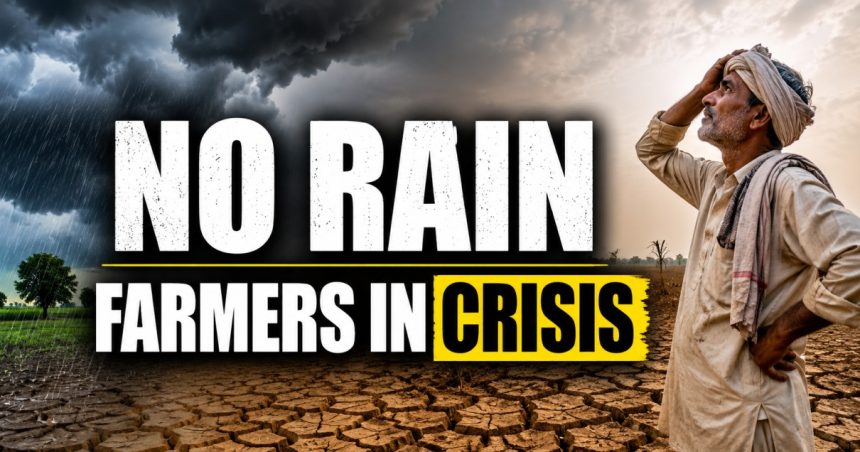
India Meteorological Department has indicated that the southwest monsoon is likely to regain momentum around 23 June 2026, bringing much-needed rainfall across central and western India. However, the delay in monsoon advancement over the past two weeks has already triggered serious concerns related to agriculture, water availability, and the possibility of drought-like conditions in several regions. The situation has become increasingly critical for states like Maharashtra, where the economy is heavily dependent on timely monsoon rains.
🟡 Monsoon Progress and Current Situation
According to IMD’s latest assessment, the monsoon, which typically advances steadily after its onset in early June, experienced a temporary pause due to weak atmospheric conditions and lack of strong moisture flow. Although the monsoon had initially entered parts of Maharashtra and central India, its progress slowed significantly, leaving many regions dry during a crucial sowing period. Now, favorable conditions are developing again due to strengthening winds from the Arabian Sea and possible low-pressure formation, which is expected to push the monsoon forward in the coming days.
🟡 Impact on Agriculture and Sowing Delay
The delay in rainfall has had a direct and serious impact on agricultural activities, particularly kharif sowing. Farmers across Maharashtra usually begin sowing crops such as soybean, cotton, pulses, and maize in early June, but due to lack of sufficient soil moisture, many have been forced to delay or completely halt sowing operations. Fields in several districts remain dry, and uncertainty about rainfall has created confusion among farmers regarding crop planning. This delay is likely to affect crop productivity, as late sowing often results in reduced yields and increases the financial burden on farmers due to repeated sowing or irrigation expenses.
🟡 Rising Risk of Drought Conditions
The continued dry spell has raised concerns about emerging drought-like conditions in parts of the state. Although an official drought declaration is not yet applicable, early warning signs such as falling soil moisture, declining water levels in reservoirs, and increased reliance on groundwater are becoming visible. If the rainfall deficit continues further into late June or early July, the situation could escalate into a more serious agricultural and hydrological drought, especially in already vulnerable regions.
🟡 Water Crisis Concerns
The delay in monsoon has also intensified concerns about water availability for drinking and daily use. Rural areas that depend on wells and local water sources are beginning to face shortages due to inadequate recharge, while urban areas may also experience pressure on water supply systems if rainfall remains below normal. This creates a dual challenge of managing both agricultural needs and domestic water demand simultaneously.
🟡 IMD Forecast and Expected Relief
Despite these concerns, IMD has provided a hopeful outlook, stating that rainfall activity is expected to increase significantly from 23 June onwards. Several parts of Maharashtra, including Konkan, ghat regions, and interior districts, are likely to receive moderate to heavy rainfall along with thunderstorms and gusty winds. This expected revival of the monsoon is extremely crucial, as it can help restore soil moisture, support pending sowing activities, and improve overall water storage levels across the state.
🟡 Monsoon Outlook for Maharashtra
While the expected revival of the monsoon brings relief, the impact of its delay has already been felt across agriculture and water resources. The coming days will be extremely crucial, as consistent rainfall will determine whether farmers can recover lost time in sowing and whether water levels can stabilize. If the monsoon performs as predicted, it may help balance the early deficit, but any further delay could deepen the challenges. The overall outlook remains cautiously optimistic, with the next phase of rainfall playing a decisive role in shaping the season.