


🔴 By| Arvind Jadhav
🟡 Amit Shah Kolhapur Visit: Sugar Sector Takes Centre Stage
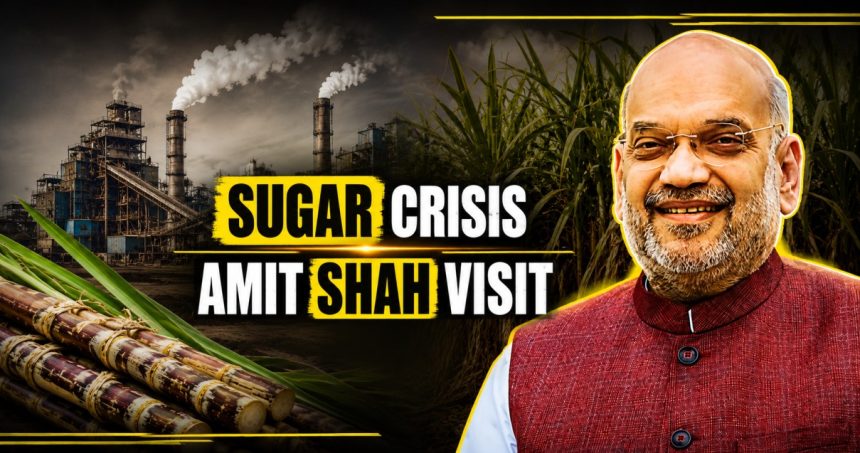
Union Home and Cooperation Minister Amit Shah is scheduled to visit Kolhapur on June 20, 2026, in a tour that is being viewed as highly significant for Maharashtra’s sugar and cooperative sector. While political implications remain in the background, the primary focus of this visit is expected to be economic, particularly addressing the growing concerns of sugar factories and cooperative institutions across Western Maharashtra. Kolhapur, being a core part of the state’s sugar belt, makes this visit especially crucial for farmers, mill operators, and rural stakeholders who are closely watching for concrete outcomes.
🟡 Rising Pressure on Sugar Factories
Sugar factories across Maharashtra are currently facing mounting financial stress due to increasing production costs and stagnant sugar prices. The imbalance between rising operational expenses and limited revenue has put many cooperative mills under severe strain. As a result, industry representatives are expected to use this visit as an opportunity to directly present their concerns before Amit Shah, hoping for timely intervention and supportive policy measures that can stabilise the sector.
🟡 MSP Crisis and Demand for Price Revision
One of the most critical issues likely to be raised is the gap between the Fair and Remunerative Price (FRP) paid to farmers and the Minimum Selling Price (MSP) of sugar. While FRP has increased over time, the MSP of sugar has not kept pace, creating a financial mismatch for sugar mills. This gap has led to reduced margins, delayed payments to farmers, and growing debt burdens. Industry stakeholders are demanding a significant increase in MSP to restore balance and ensure the sustainability of sugar production in the long term.
🟡 Ethanol as a Key Growth Driver
The ethanol blending programme is emerging as a major support system for the sugar industry, offering an alternative and more stable revenue stream. During the visit, stakeholders are expected to push for higher ethanol procurement prices and clearer long-term policies to encourage further investment in ethanol production. The sector sees ethanol not just as a supplementary income source, but as a transformative opportunity that can reduce dependence on fluctuating sugar prices and strengthen overall financial stability.
🟡 Loan Burden and Need for Financial Relief
Another pressing concern is the increasing debt burden on cooperative sugar factories. Many mills are struggling with loan repayments due to weak cash flow and operational losses. Representatives are likely to demand restructuring of existing loans, extended repayment timelines, and possible financial relief packages from the central government. Without such support, several cooperative units may face serious challenges in continuing operations in the upcoming crushing seasons.
🟡 Strategic Importance of the Cooperative Sector
Amit Shah’s role as Union Cooperation Minister adds further importance to this visit, as Maharashtra has one of the largest and most influential cooperative sugar networks in the country. The cooperative sector is deeply linked to the rural economy, supporting millions of farmers and workers. Any policy decisions or assurances given during this visit could have a wide-reaching impact on rural livelihoods and economic stability in the region, making this tour more policy-driven than symbolic.
🟡 Limited Political Undercurrent
Although there is some political buzz in the state, including discussions around developments like “Operation Tiger,” these remain secondary in the context of this visit. The dominant expectation from stakeholders is centred on economic decisions and sectoral relief, with the sugar industry clearly taking priority over political narratives.
🟡 Will This Visit Be a Turning Point?
Amit Shah’s Kolhapur visit is being seen as a decisive moment for Maharashtra’s sugar sector. With critical issues such as MSP revision, ethanol policy, and financial restructuring on the table, the outcomes of this visit could shape the future of cooperative sugar factories. For farmers and industry stakeholders alike, this is not just another high-profile visit, but a potential turning point for reviving a struggling yet vital backbone of the rural economy.