


🔴 By | Arvind Jadhav
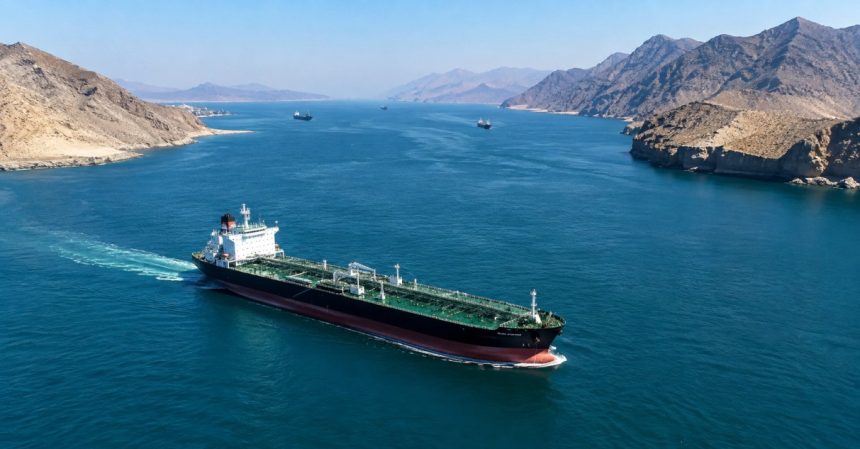
PR Sources: Tensions around the strategically vital Strait of Hormuz have intensified after a commercial vessel was struck by an unidentified projectile while transiting the waterway, triggering a fire and an evacuation of the crew.
The United Kingdom Maritime Trade Operations (UKMTO), which monitors maritime security in the region, reported that it received information about the incident and that a vessel had been hit by a projectile. A fire subsequently broke out on board, while local authorities assisted with the evacuation of crew members. The full extent of the damage and any possible environmental impact were not immediately known.
🟡 Iranian Commercial Vessel Also Hit
The latest incident comes amid reports of another serious attack near Qeshm Island, where an Iranian commercial vessel was struck. Iranian state media reported that one crew member was killed and four others were injured. No group has officially claimed responsibility for the attack, while Iranian authorities described it as an attack by an enemy.
The timing is particularly significant because Iran is preparing discussions with regional countries over the future management and security of shipping through the Strait of Hormuz.
🟡 Shipping Traffic Has Collapsed
The latest attacks are taking place against the backdrop of an extraordinary reduction in commercial shipping through Hormuz.
Reuters reported that only seven vessel transits were recorded through the Strait on September 10, compared with a pre-war daily average of about 125 vessels. The sharp decline reflects the growing security risks faced by shipping companies and crews operating in the region.
The International Maritime Organization has also warned about the impact on seafarers, with around 20,000 seafarers, port workers and offshore crews affected by the continuing crisis around the Strait.
🟡 Iran-US Conflict Has Put Commercial Ships at Risk
The latest attack follows a major escalation earlier this month. Iran said on September 9 that it had attacked 10 ships near the Strait of Hormuz after the United States sank five Iranian oil tankers.
The attacks represented one of the largest waves of strikes against shipping since the conflict began. At least one seafarer was reported killed and another was missing. Oil markets immediately reacted, with Brent crude moving above $100 a barrel.
The situation has therefore moved beyond a conventional military confrontation. Commercial tankers, cargo ships and their crews are increasingly being caught in the middle of the conflict.
🟡 Saudi Oil Pipeline Adds to Global Concern
The latest Hormuz incident has also come at a particularly sensitive moment for global energy markets.
Saudi Arabia temporarily shut down its 1,200-km East-West oil pipeline following a drone attack that Saudi Arabia and Iraq said originated from Iraqi territory. The pipeline is strategically important because it provides Saudi Arabia with an alternative route to export oil without relying entirely on the Strait of Hormuz.
With both the Strait and alternative energy infrastructure facing security threats, concerns are increasing that any prolonged disruption could push energy prices even higher.
🟡 Why the Strait of Hormuz Matters to India and the World
The Strait of Hormuz is one of the world’s most important maritime chokepoints for energy transportation. Any prolonged disruption can affect crude oil, petroleum products, LNG and shipping costs across global markets.
For India, the developments are particularly important because higher international crude prices can eventually increase pressure on fuel prices, transportation costs, inflation and industrial expenses.
The latest attack has therefore raised a bigger question: how long can global shipping continue to operate normally if attacks on commercial vessels around Hormuz become a regular occurrence?
For now, authorities are urging vessels operating in the region to exercise extreme caution as the security situation remains highly volatile.