


🔴 By | Sonal Sharma
🟡 3.7 Million Children Under Five at Heightened Risk
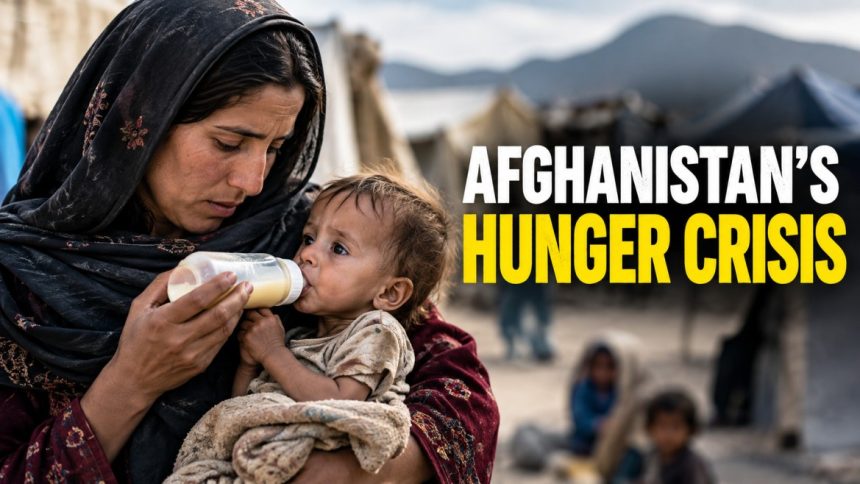
Afghanistan is facing a worsening child nutrition crisis, with around 3.7 million children under the age of five projected to suffer from acute malnutrition in 2026, according to UNICEF. The UN agency has warned that young children are particularly vulnerable as the peak wasting season approaches.
The crisis has become even more alarming in recent months. The World Food Programme (WFP) says 12 Afghan provinces are now experiencing critical levels of acute child malnutrition — the highest number ever recorded. Overall, nearly 4.9 million women and children are expected to require treatment for malnutrition in 2026.
🟡 Aid Cuts Leave Children Without Treatment
Humanitarian agencies say the shortage of international funding is severely limiting access to lifesaving nutrition services. According to WFP, six out of seven malnourished women and children in need are currently being turned away from assistance because of funding shortages.
The situation is particularly dangerous for infants. UNICEF has reported that children under two account for the overwhelming majority of severe malnutrition cases, making early nutrition intervention critical to preventing long-term health and developmental damage.
🟡 Poverty, Food Prices and Displacement Fuel Crisis
Afghanistan’s nutrition emergency is being driven by multiple factors, including prolonged economic hardship, unemployment, poverty, food-price pressures, drought and repeated humanitarian shocks. The return of millions of Afghans from neighbouring countries has placed additional pressure on already fragile communities and public services.
WFP estimates that 13.8 million Afghans could face acute food insecurity in 2026, while nutrition needs continue to rise.
🟡 Children Paying the Heaviest Price
UNICEF has warned that Afghanistan’s child-food crisis is not only about the quantity of food available, but also the quality and diversity of children’s diets. Inadequate diets during the first years of life can have serious consequences for growth and development.
The UN agencies are calling for urgent international support to expand treatment, protect children’s diets and ensure that vulnerable families can access essential food and nutrition services.
The warning is stark: without sustained humanitarian assistance, Afghanistan’s malnutrition crisis could become even more deadly for its youngest and most vulnerable citizens.