


🔴 By | Arvind Jadhav
🟡 Historic Visit Strengthens Indo-Pacific Focus
Prime Minister Narendra Modi’s three-day official visit to Indonesia from July 6 to July 8, 2026, marks a significant step in strengthening India’s presence in the Indo-Pacific region. This visit is part of a broader multi-nation tour and comes after a gap of several years since the elevation of India–Indonesia relations to a Comprehensive Strategic Partnership in 2018. The visit highlights India’s continued focus on its Act East Policy and aims to deepen economic, strategic, and cultural engagement with one of Southeast Asia’s most influential nations.
🟡High-Level Talks and Diplomatic Engagement
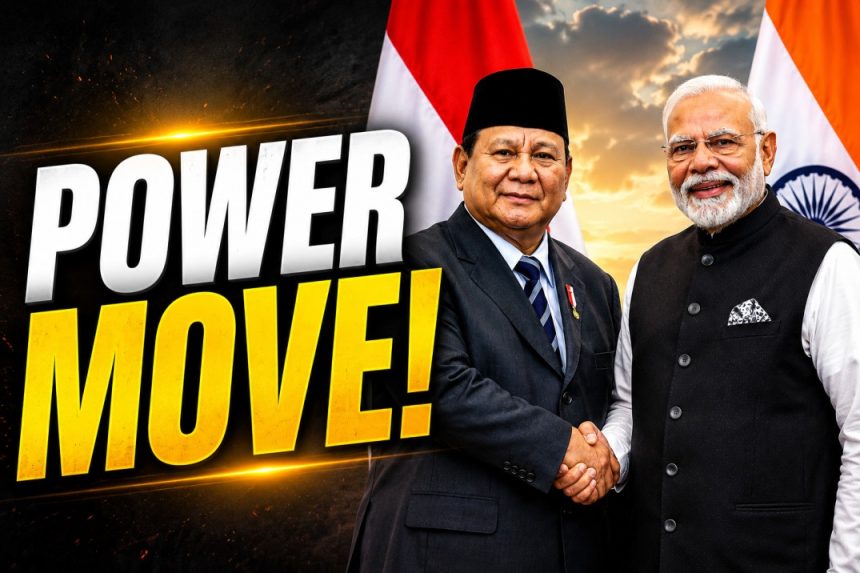
During the visit, Prime Minister Modi held key bilateral discussions with Indonesian President Prabowo Subianto, focusing on expanding cooperation in multiple sectors. The meetings took place in Jakarta and included discussions on defence, trade, food security, and regional stability. The visit also featured ceremonial engagements, including a grand welcome and interactions with the Indian diaspora. Cultural diplomacy was also emphasized through visits to heritage sites such as the Prambanan Temple, showcasing centuries-old civilizational ties between the two nations.
🟡 India–Indonesia Relations: A Strategic Partnership
India and Indonesia share a strong and evolving diplomatic relationship rooted in history, culture, and shared geopolitical interests. Since 2018, ties have been upgraded to a Comprehensive Strategic Partnership, covering areas such as maritime security, defence cooperation, trade, and connectivity. Indonesia plays a crucial role in India’s Indo-Pacific vision, particularly due to its strategic location near the Malacca Strait, one of the world’s busiest maritime trade routes. Both countries continue to collaborate on ensuring regional security, stability, and economic growth.
🟡 Focus on Defence and Public Sector Cooperation
One of the key highlights of the visit has been the emphasis on strengthening defence ties and public sector collaboration. Discussions included potential defence deals, joint military cooperation, and maritime security initiatives. In addition, both countries explored cooperation in public sector development areas such as healthcare, pharmaceuticals, digital infrastructure, cybersecurity, and space technology. Food security and critical minerals also emerged as important areas of mutual interest, reflecting a shared commitment to sustainable development.
🟡 Economic Growth and Trade Expansion
Economic cooperation remains a cornerstone of India–Indonesia relations. Both countries are working towards enhancing bilateral trade, improving supply chain resilience, and encouraging investment in key sectors. The visit is expected to pave the way for new agreements that will support industrial growth, boost exports, and create opportunities for businesses in both nations. Strengthening economic ties is seen as essential for long-term regional stability and prosperity.
🟡 Strategic Importance in Global Geopolitics
This visit holds major significance in the context of evolving global geopolitics. As major Indo-Pacific players, India and Indonesia are aligning their strategies to address emerging challenges and balance global power dynamics. Strengthening ties between the two nations not only enhances bilateral cooperation but also contributes to a stable and secure regional order. The visit reflects a shared vision of inclusive growth, mutual respect, and strategic collaboration.
🟡 A Step Towards Deeper Partnership
Overall, Prime Minister Modi’s Indonesia visit is being viewed as a major diplomatic success that reinforces long-standing ties while opening new avenues for cooperation. From defence and economic growth to cultural and public sector collaboration, the visit lays a strong foundation for future engagement. It signals a renewed commitment from both nations to work closely in shaping the future of the Indo-Pacific region.