

By | PR Network
🟡 G7 Summit Becomes Launchpad for High-Stakes Deal
U.S. President Donald Trump’s arrival in Évian, France for the G7 Summit quickly shifted global attention toward the newly घोषित US–Iran peace deal, turning the high-level meeting into a crucial diplomatic stage. Trump projected confidence, presenting the agreement as a significant geopolitical breakthrough aimed at reducing tensions in the Middle East. However, other world leaders adopted a more cautious stance, emphasizing the need for transparency and clarity on the deal’s framework. The summit, therefore, has become not just a meeting of economic powers, but a testing ground for the credibility and durability of this emerging agreement.
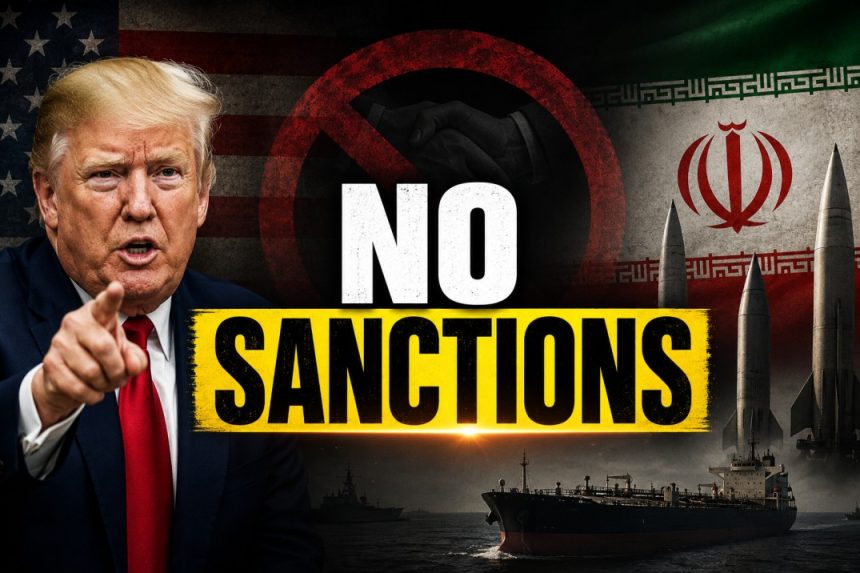
🟡 ‘No Sanctions Relief’ Emerges as the Core Condition
At the center of the deal lies Trump’s firm and uncompromising position that Iran will not receive immediate sanctions relief. He has made it clear that economic incentives, including access to frozen financial assets and trade normalization, will only be granted after Iran demonstrates full and verifiable compliance with the agreed terms. This condition effectively transforms sanctions into a strategic leverage tool, ensuring that Iran remains under economic pressure until it fulfills its commitments. By structuring the deal in this manner, the United States is prioritizing accountability and measurable outcomes over symbolic agreements.
🟡 Claims of Progress Shadowed by Uncertainty
While Trump has claimed that the deal is already “taking effect,” suggesting that initial steps toward de-escalation have begun, he has simultaneously acknowledged that its success is not guaranteed. This dual messaging highlights the fragile nature of the agreement, where optimism is tempered by the risk of failure. The lack of officially released detailed documentation further adds to the uncertainty, making it difficult for observers to assess how much progress has truly been achieved and what challenges lie ahead.
🟡 Key Provisions Include Ceasefire and Nuclear Commitments
According to multiple international reports, the agreement includes several critical components designed to stabilize the region. These include an immediate ceasefire, commitments from Iran to refrain from pursuing nuclear weapons, and the reopening of vital global trade routes such as the Strait of Hormuz. These elements are aimed at restoring stability not only in the Middle East but also in global energy markets. However, the most crucial economic provisions—particularly sanctions relief—are structured to be implemented gradually and conditionally, reinforcing the step-by-step nature of the deal.
🟡 Strategi Shift Reflects Lessons from Past Agreements
The decision to delay sanctions relief reflects a deliberate shift in U.S. strategy, shaped by past experiences with earlier agreements. Previous deals were often criticized for offering economic benefits upfront without ensuring long-term compliance. In contrast, the current approach adopts a “compliance-first” model, where benefits are contingent upon verified actions. This strategy is designed to maintain leverage throughout the implementation phase and to prevent any premature easing of pressure that could weaken the deal’s effectiveness.
🟡 Global Skepticism and Regional Risks Persist
Despite the announcement, skepticism remains high among global leaders and analysts. Concerns have been raised about the lack of transparency, the absence of publicly available detailed terms, and the broader geopolitical implications of the agreement. Ongoing tensions in the Middle East, including conflicts involving regional actors, continue to pose risks that could undermine the deal. The uncertainty surrounding Iran’s response and the reactions of its allies further complicate the situation.
🟡 Next Steps Will Determine the Deal’s Survival
The coming weeks are expected to be critical in determining the future of the agreement. The full text of the deal is anticipated to be released soon, followed by initial implementation measures. The timeline and extent of sanctions relief will depend entirely on Iran’s actions and adherence to the agreed commitments. If successfully executed, the deal could mark a significant turning point in global diplomacy; however, any failure in compliance could quickly reverse progress and reignite tensions.