

Heightened Regional Anxiety
By | Gitanjali Thorat | PR Desk
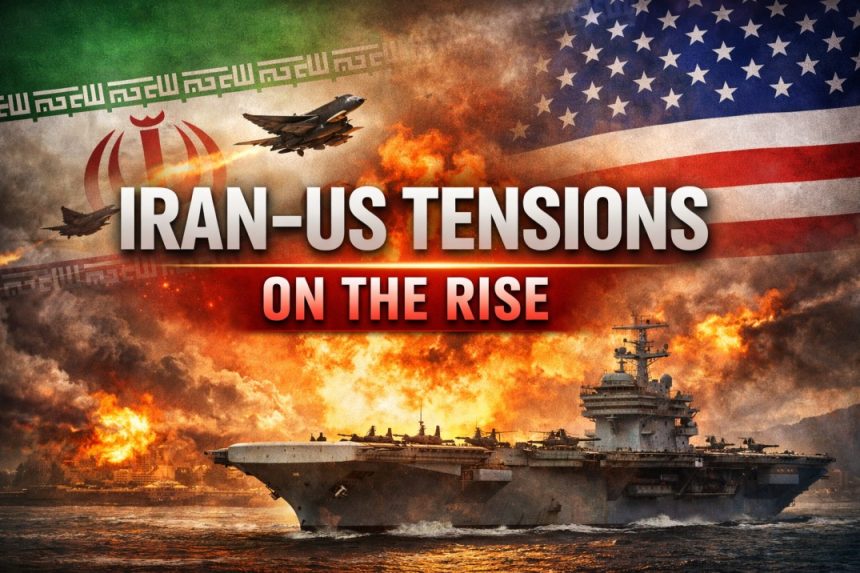
Tension between Iran and the United States has escalated sharply, stirring uncertainty across the Middle East. The latest developments have renewed fears of conflict and raised concerns over the safety of air travel, maritime movement, and regional trade. Governments in nearby countries are monitoring the situation closely and preparing for potential aftershocks.
Iran Responds to Security Concerns
Iran temporarily restricted portions of its airspace following rising alert levels and perceived threats from outside its borders. Although the restrictions were later lifted, the brief closure disrupted flight routes, prompting airlines and passengers to reevaluate travel plans. Officials in Tehran insist the decision was precautionary and meant to safeguard civilian movement.
Washington Expands Sanctions
The United States has imposed a fresh round of sanctions targeting individuals, political groups, and security structures within Iran. Washington maintains that these measures are intended to curb human rights abuses, suppress clandestine activity, and pressure Iran’s leadership into compliance with international norms. Tehran has dismissed the sanctions as hostile action and interference in domestic affairs.
Military Posture Shifts
Adding to the tension, the US military has adjusted its deployment across the region. Reports indicate increased naval and aerial presence, expanded surveillance, and heightened alert status across strategic areas. The repositioning signals Washington’s intention to deter escalation while preparing for unforeseen developments.
Diplomacy Struggles to Break Through
Regional powers, from the Gulf to Europe, are urging both nations to reduce hostilities and return to diplomatic dialogue. Peace proposals and back-channel contacts continue, though neither side has shown signs of compromise. With long-standing disagreements unresolved, analysts warn that even a minor miscalculation could spark broader instability.
Global Impact and Market Reactions
Energy analysts have already begun tracking fluctuations in global oil pricing, with traders anticipating volatility if the situation worsens. Countries dependent on foreign fuel, including India and major Asian economies, are preparing for possible shifts in supply, inflationary pressure, and logistics uncertainty.