

By | PR Network
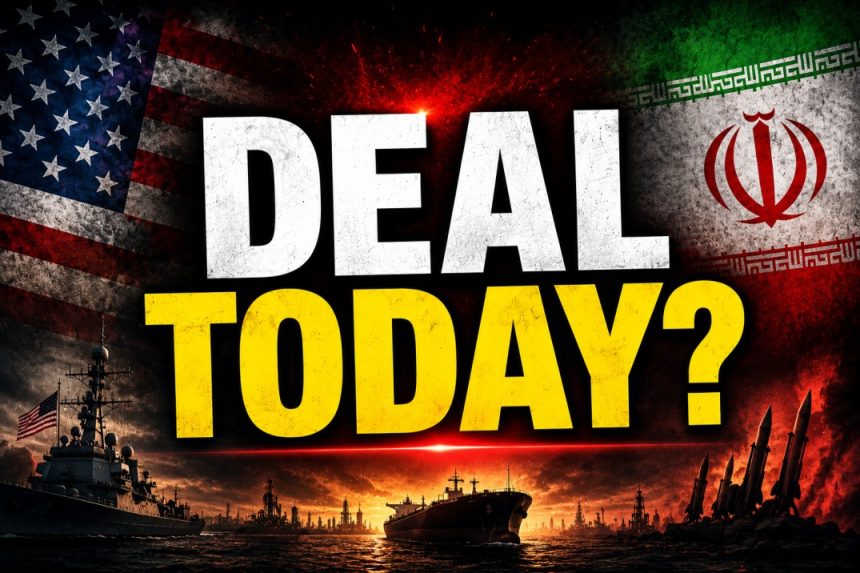
🟡 As of today, the United States and Iran appear to be on the verge of a significant diplomatic breakthrough, with both sides indicating that a new agreement is closer than ever before. While the deal has not yet been formally signed, reports suggest that the final framework is largely ready, and an official announcement or digital signing could take place within hours. However, despite this progress, a sense of caution remains due to lingering mistrust and unresolved details between the two nations.
🟡 At the heart of the proposed agreement is an extension of the ongoing ceasefire, which is expected to last for around 60 days. This move aims to immediately reduce military tensions in the region and create space for broader negotiations. The ceasefire is seen as a crucial first step toward stabilizing a situation that has raised global concerns over the past few weeks.
🟡 Another key component of the deal involves the reopening of the strategically vital Strait of Hormuz. This waterway is one of the most important global oil routes, and its disruption had significantly impacted international energy markets. Reopening it would not only restore normal shipping operations but also help ease rising oil prices, offering relief to economies worldwide.
🟡 The agreement also sets the stage for renewed negotiations over Iran’s nuclear program. Both sides are expected to re-enter talks focused on limiting nuclear development and ensuring compliance through international monitoring. While the United States has indicated that Iran may be willing to step back from pursuing nuclear weapons, several technical aspects, including uranium handling and verification mechanisms, are still under discussion.
🟡 Sanctions relief remains one of the most sensitive and unresolved issues in the negotiations. Iran is pushing for the release of billions of dollars in frozen assets, while the United States is reportedly considering a phased or conditional approach to easing sanctions. This difference in expectations continues to be a major hurdle that could influence the final outcome of the agreement.
🟡 Beyond bilateral concerns, the deal is also expected to have wider regional implications. Efforts are being made to reduce tensions in conflict zones across the Middle East, including areas like Lebanon. Multiple countries such as Pakistan, Qatar, Egypt, and Turkey have played an important role in mediating and facilitating dialogue between the two sides.
🟡 Overall, while the proposed US–Iran deal represents a potentially major step toward peace and stability, several uncertainties still remain. The coming hours are expected to be crucial, as the world watches closely to see whether this near-final agreement will translate into a historic diplomatic success or face last-minute challenges.